
New World a-Coming, Ch. 26
Spring 1939: the Meeting of Szabo and Nas1lsinez

Yezget-Bey Nas1lsinez came into the lobby of the Grand Hotel Royal already tired, exhausted from the weeks of incognito travel, the frequent shifts of lodging, and the constant vigilance necessary to look out for Nazi agents. He had stayed at the Grand previously, but in this spring of 1939 it was no longer safe for him to register even under a false name: there was too great a risk that staff members might remember him from that before time. Although only in his thirties, he felt older, and the combination of Rift travel and clandestine aircraft had left him spent. This activism was a young man’s game, or a soldier’s or spy’s.
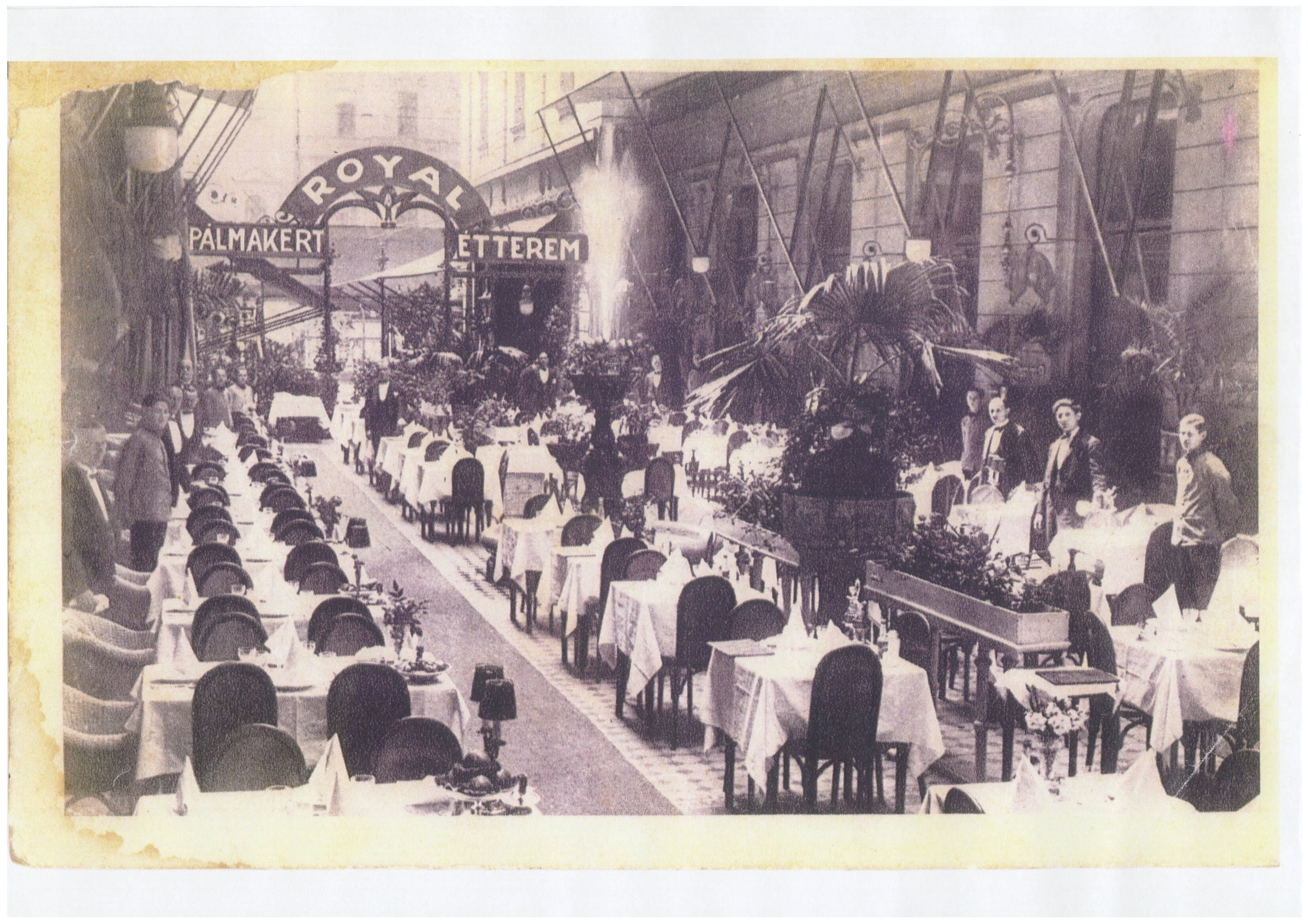
But the lobby was still a known meeting place, for artists and activists even though—or perhaps because—the hotel had come down in the world since the great days after the War. There were still Bassandans playing in the dance orchestra and it was their presence, and their need, that brought him here.
He’d come from New York: after the fall of Salamanca and Bilbao, there was no more Spanish Republican resistance to whom could be shipped the arms that he and the General had clandestinely procured and forwarded, as the Roosevelt administration looked the other way. He’d facilitated the escape of as many Bassandans from Spain as possible, but with Mussolini ascendant in Italy and the Nazis having already annexed the Sudetenland, too many more were lost or unaccounted for. Knowing what he did of the Nazis’ and the Soviets’ greed and fanaticism, he feared what he felt to be coming.
But there were allies here—at least, potential allies. The Grand Hotel Royal was, though rather old-fashioned, arguably the most elegant hotel in Budapest, though he had chosen it for another reason than its contemporaneity: boasting a large band of European and American “hot” musicians—including a number of Blacks—it, like the city itself, was a space the sheer diversity of whose clientèles made clandestine meetings less remarkable and more secure.
He was seated at a corner table in the Palm Garden, a coffee and the newspapers in front of him, though his attention was on the room and not on the news of the day. He averted his gaze from others even as he looked for his contact from the Bassandans amongst the orchestra. They were quite good; though he was primarily a conductor, and not a jazz musician, he’d had years of exposure to American musics while in the USA, and he could tell who among the players had spent time in the States. Despite the tension of the situation, he found himself listening with appreciation; there were several soloists, in particular a young Black trombonist, and an older, bearded white man, playing mandolin, whose swing was real and appreciable. For a moment, from the bandstand the latter made eye contact with Yezget-Bey; neither betrayed any change of expression.
At the same time, although he was an academic and musician, Yezget-Bey had learned the vigilance of the clandestine agent. Still he did not notice the young woman’s presence until she was standing at his elbow, having somehow materialized through the potted plants. Even before she spoke, he registered her own vigilance and the catlike hyper-awareness she exuded. She spoke the codewords quietly, her eyes still on the room; to an observer, it might have appeared that she was speaking to herself.
“Te vagy a Karmester?”
The Conductor was somewhat taken aback. He had anticipated a male operative of more evident age and experience. This dark haired, black clad, barefoot gypsy fiddler did not convey a sense of expertise. And yet there was in the young face a hardened sense of purpose and in her eyes dark fires burned.
After a moment, the Conductor replied in his own much more strongly accented Hungarian:
“Yes, I am he. Do you come from the Cell?”
The young fiddler did not reply. For a moment her eyes flicked from the room to his face.
“That depends. What messages do you bring about available resources?”
“You seem awfully young to be a coordinator.”
She looked at him stone-faced. “You do not exactly have the demeanor of a partisan. How do you come to be involved in these networks?”
Yezget-Bey did not immediately respond, and when he did, there was a hint of the professorial in his voice.
“I might ask the same question of you, young woman.”
Unexpectedly, her head whipped around and she glared into his eyes.
“Don’t question my commitment, old man. And don’t ask me where my family went. We’ve been fighting the Cossacks for generations.”